
Your lights flicker when you turn on the microwave! The breaker trips every time you run the vacuum and hair dryer at once…
If this sounds familiar, your electrical panel might be waving a red flag – and ignoring it could put your home and family at risk.
What exactly does an electrical panel do?
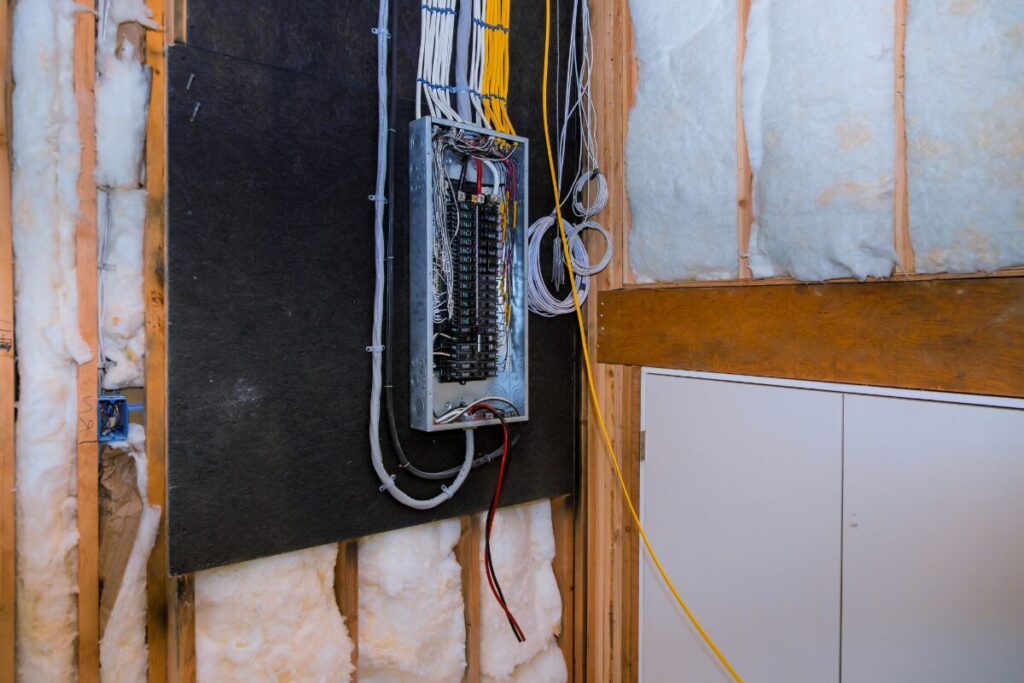
Think of your electrical panel as your home’s power manager. It distributes electricity throughout your house and automatically cuts power when circuits overload. Modern homes demand way more power than homes built 20-30 years ago. According to the Electrical Safety Foundation International, homes built before 1990 often have 60-100 amp panels, but today’s homes typically need at least 200 amps to safely handle all our devices, appliances, and systems.
How do I know if my panel is outdated?
Look for these warning signs: your breakers trip frequently, you see scorch marks or smell burning near the panel, you’re constantly unplugging things to plug in others, or you’ve added major appliances without upgrading your panel. The National Fire Protection Association reports that electrical failures or malfunctions caused an estimated 24,000 home fires annually between 2015-2019, resulting in 310 deaths and over $1 billion in property damage.
What happens if I ignore these signs?
Overloaded panels create serious fire hazards. Old panels with outdated technology (like Federal Pacific or Zinsco brands) may fail to trip when they should, letting dangerous electrical surges damage your wiring. Plus, if you’re planning to install an EV charger, hot tub, or new HVAC system, your current panel probably can’t handle the load.
When should I call a professional?
If your home is over 25 years old and still has the original panel, it’s time for an inspection. Licensed electricians can assess your current electrical demands and recommend the right upgrade. Modern panels include AFCI and GFCI protection that older panels lack – technology that saves lives.
Ready to upgrade your electrical panel? Our licensed electricians provide thorough inspections and professional installations that keep your home safe. Contact Gilman Heating & Cooling today to schedule your electrical safety assessment!