
How Much Does HVAC Installation Cost in Richmond, VA?
If your heating and cooling system is not keeping up, or you are facing another expensive repair, you are probably asking the same question many Richmond homeowners do:
How much does HVAC installation actually cost?
The answer depends on several factors, including your home’s setup, the type of system you choose, and the condition of your existing equipment. For example, whether your home has ductwork or requires a ductless system can significantly impact the total cost. There is no single price that fits every situation.
This guide breaks down typical HVAC installation costs in Richmond, what affects pricing, and how to determine the right next step for your home.
What Is HVAC Installation and What Does It Include?
HVAC installation is more than swapping out a unit. It is about making sure your system is properly sized, installed correctly, and set up to perform the way it should over time.
A typical HVAC installation includes:
- Removal of your existing system
- Installation of a new air conditioner, furnace, or heat pump
- Thermostat installation or upgrade
- Electrical and refrigerant connections
- Full system testing and calibration
Depending on your home, installation may also involve:
- Ductwork repairs or modifications (especially in older homes)
- Airflow improvements
- Addressing humidity or ventilation concerns
Average HVAC Installation Cost in Richmond, VA
HVAC installation costs in Richmond vary based on the system type and your home’s setup. The best way to get an honest, upfront answer is to schedule a complimentary inspection with Gilman. But here is a general breakdown to help you understand what to expect:
Central Air Conditioner and Furnace
- Common in homes with existing ductwork
- $7,000 to $12,000 or more
- Typically lower upfront cost compared to higher efficiency options
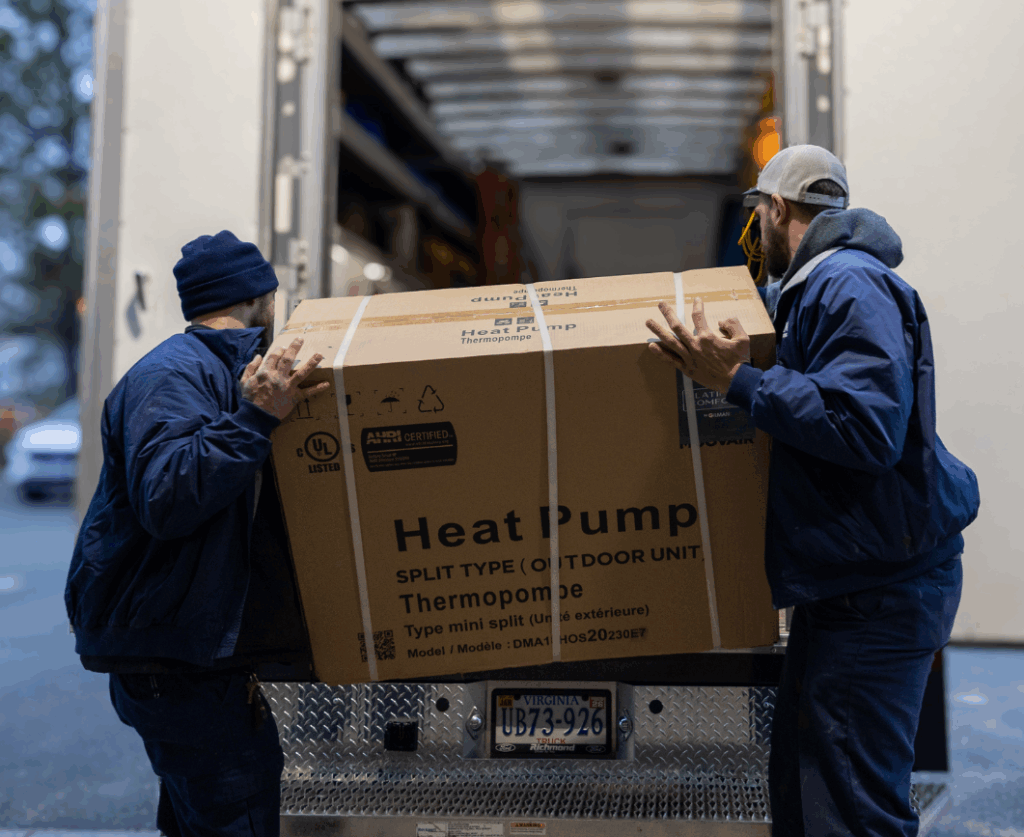
Heat Pump Systems
- $8,000 to $15,000 or more
- Popular in Richmond due to moderate winters
- Provides both heating and cooling
- Can improve efficiency and lower long-term energy costs
Ductless Mini-Split Systems
- $5,000 to $12,000 or more per zone
- Ideal for homes without ductwork or for additions
- Costs increase with multiple zones (for example, different rooms or areas)
High-Efficiency or Variable-Speed Systems
- $12,000 to $20,000 or more
- Designed for better comfort and humidity control
- Higher upfront investment (they often save money over time through reduced energy consumption)
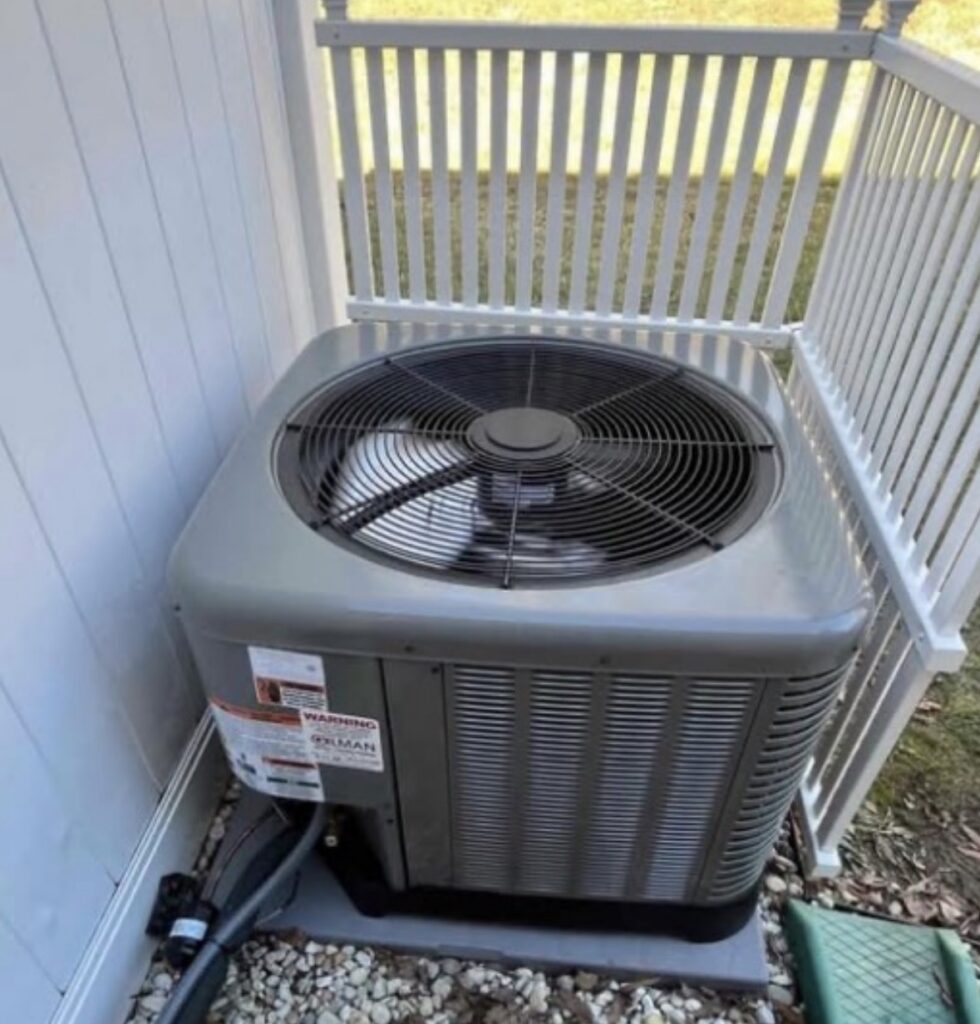
Whether you’re prioritizing upfront savings or long-term efficiency, our team will work with your budget to find a solution to meet your financial goals without compromising performance or comfort. Ask us about our financing options upon approved credit!
Factors That Affect HVAC Installation Costs in Richmond, VA
Several factors influence the total cost of HVAC installation. Understanding these can help you see what is actually driving the price in your situation.
- Home size and layout: Larger homes need larger systems, which increases both equipment and labor costs. Proper sizing matters here (too small or too large can both cause issues).
- System type: The system you choose plays a big role in cost. A standard central system is often more straightforward, while heat pumps or ductless systems may involve different equipment and installation steps.
- Ductwork condition: Older or poorly designed ductwork can limit how well your new system performs. Sometimes repairs are enough. In other cases, sections may need to be replaced.
- Energy efficiency level: Higher efficiency systems cost more upfront but can lower monthly energy bills over time, especially during Richmond’s hot and humid summers.
- Installation complexity: Every home is different. Tight attic spaces, older construction, or unique layouts can make installation more time-intensive (and increase labor costs).
- Local climate needs: Richmond’s heat and humidity mean your system has to manage both temperature and moisture. That can influence the type of system recommended and the overall cost.
Because every home is different, a complimentary evaluation from our team is the best way to understand which of these factors apply to you.
Types of HVAC Systems and Their Cost Differences
The type of system you choose plays a major role in both upfront cost and long-term performance. Here are the most common options for Richmond homes:
- Central Air Conditioning: A traditional whole-home system that works best for homes with existing ductwork. This is often the most straightforward option if your home already has ducts in place.
- Ductless Mini-Splits: An efficient and flexible option that does not require ductwork. Mini-splits are ideal for additions, older homes, or spaces where you want more control over individual room temperatures.
- Heat Pumps: A popular choice in Richmond because they provide both heating and cooling in one system. Heat pumps are energy-efficient and well suited for year-round comfort in moderate climates.
- Packaged Systems: All-in-one systems typically installed outdoors or on rooftops. These are a good fit for homes with limited indoor space or certain multi-family properties.
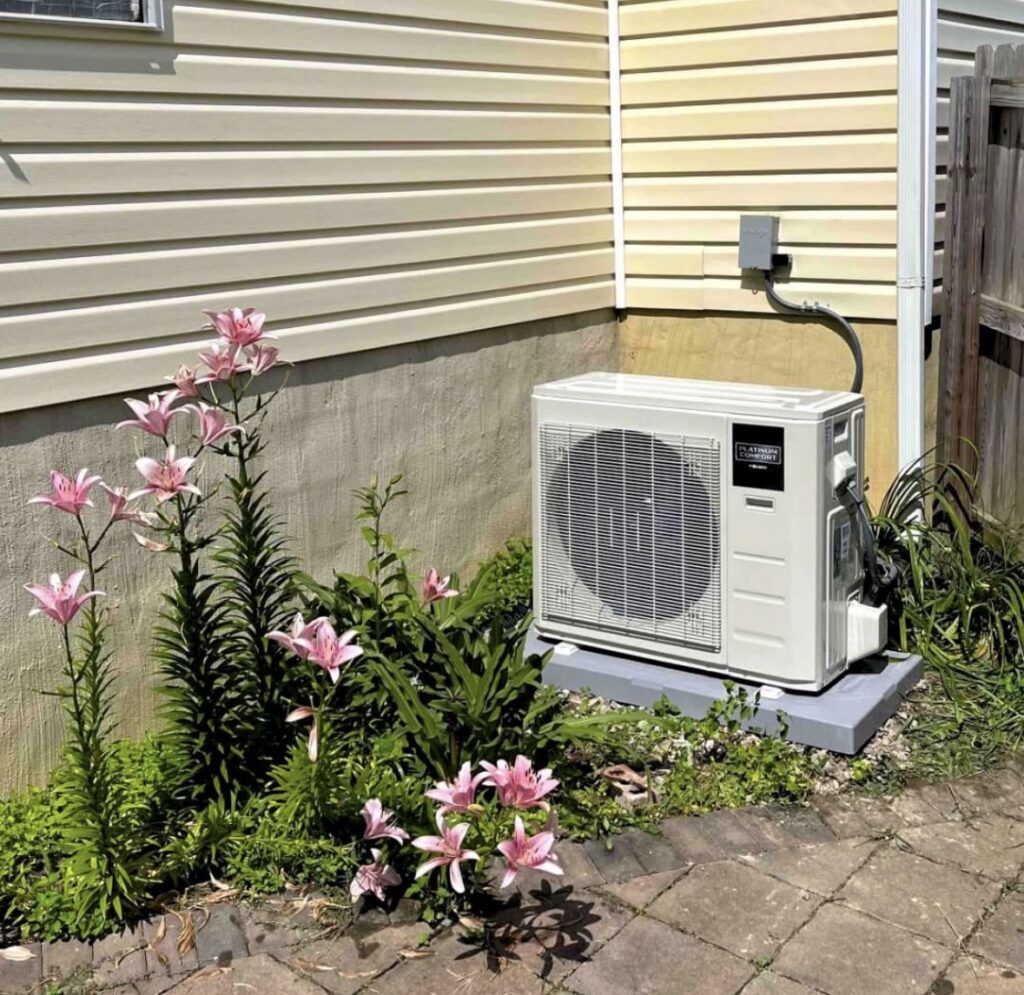
The best option depends on your home, your comfort goals, and how long you plan to stay in the space. Ask us about our Platinum Comfort line and warranties.
When to Replace Your HVAC System in Richmond, VA
Many homeowners are unsure whether to keep repairing their system or invest in a new one. These guidelines can help:
- If your system is over 10 to 15 years old, replacement is often more cost-effective
- If repair costs exceed 30 to 50 percent of a new system, replacement is usually the better long-term choice
- If your energy bills are increasing, a newer system can improve efficiency
- If you have had multiple repairs in the past few years, those costs can add up quickly
If you are starting to weigh repair versus replacement, a complementary evaluation from our team can help you compare real numbers and avoid putting more money into a system that is near the end of its lifespan.
Choosing a Professional HVAC Installer in Richmond, VA
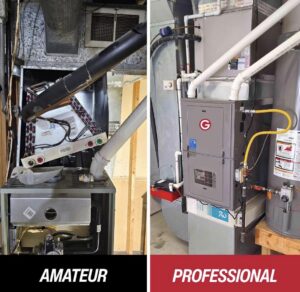
The quality of your installation affects comfort, efficiency, and how long your system lasts.
When choosing an HVAC contractor, look for:
- Licensed and insured technicians
- Experience with Richmond homes and climate conditions
- Clear and upfront pricing
- Proper system sizing and recommendations
- Strong warranties and service support
Gilman has been serving Richmond homeowners for over 100 years with a focus on long-term comfort and reliable service.
With the G-Man on site, homeowners know they are working with a team that takes pride in doing the job right.
What to Do Next
If you are considering HVAC installation, the next step is to get a clear understanding of your options and costs based on your home.
Gilman Heating and Cooling follows a straightforward process designed to make things simple:
Step 1: In-Home Assessment
We evaluate your existing system, inspect ductwork, measure load requirements, and talk through your comfort goals.
Step 2: Recommendation
You receive clear options based on your budget, energy preferences, and home layout. There is no pressure, just honest guidance.
Step 3: Professional Installation
Our certified technicians arrive on time, treat your home with care, and complete a clean, code-compliant installation.
Step 4: Testing and Walkthrough
Before we leave, we fully test your system, show you how everything works, and answer your questions.
Step 5: Ongoing Support
We offer maintenance plans to help keep your system running efficiently year after year.
With the G-Man on site, you can expect a process that is focused on doing the job right from start to finish. Contact us today for your complimentary inspection!

FAQs
Most homeowners spend between $7,000 and $15,000, with high-efficiency or complex systems reaching $20,000 or more.
Key factors include system type, home size, ductwork condition, efficiency level, and installation complexity.
Most installations take one to two days, though more complex projects may take longer.
In Richmond, heat pumps are often the best fit since they handle both heating and cooling efficiently in mild winters. Central air and furnace systems work well for homes with existing ductwork and stronger heating needs, while ductless systems are ideal for older homes, additions, or spaces without ducts. The right choice depends on your home’s setup and comfort goals.
Not always. If your ductwork is in good condition, it can often be reused. However, damaged or inefficient ducts may need to be updated.